
Updated: June 2026
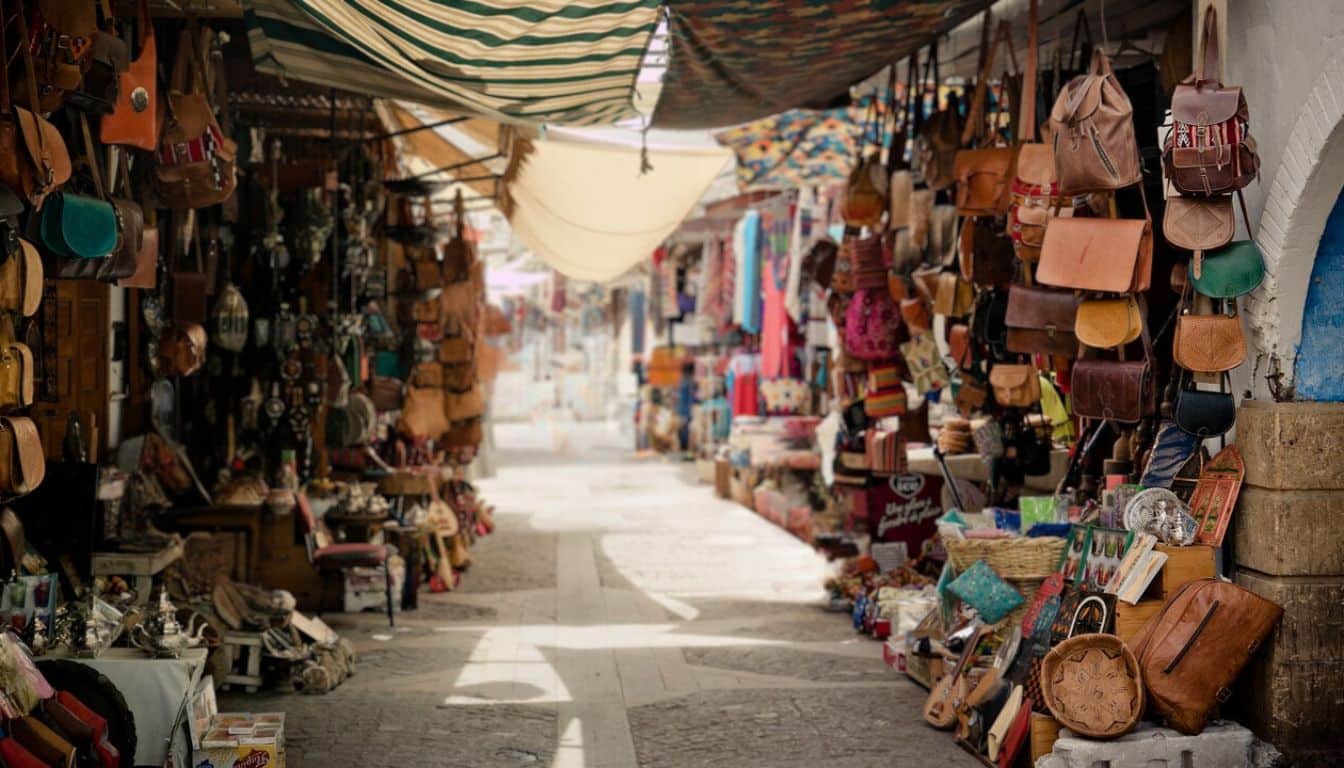
The Marrakech souk is the main traditional shopping area inside the Medina, starting around Jemaa el-Fna and spreading through narrow lanes toward Mouassine and Ben Youssef. Go for babouches, rugs, lanterns, spices, leather, pottery and small gifts. Visit in the morning for calmer browsing, bargain politely, and verify prices or opening times on the day.
Quick summary
| Detail | Practical information |
|---|---|
| Best for | First-time visitors, craft shopping, photos, gifts and Medina atmosphere |
| Best starting point | Jemaa el-Fna, then walk toward Souk Semmarine and Mouassine |
| Time needed | 1 to 2 hours for a quick visit; half a day if you want to shop seriously |
| Best time | Morning is usually calmer. Late afternoon is livelier but busier. |
| Opening hours | Varies by shop and season. Needs verification before publishing exact hours. |
| Friday note | Some shops may close or slow down around prayer time. Needs local verification. |
| Prices | Many prices are negotiable. Exact price ranges need local checking before publishing. |
| Good with children | Yes for short visits, but avoid the busiest lanes with strollers. |
What is the Marrakech souk?
The Marrakech souk is not one single shop or one simple street. It is a network of covered lanes, workshops, small markets and traditional shopping areas inside the old Medina. You will find sellers, artisans, delivery carts, scooters, cats, spices, lamps, bags, shoes and sometimes your own sense of direction trying to escape quietly.
For most visitors, the easiest way to understand the souks is this: start near Jemaa el-Fna, enter the main shopping lanes, and move slowly toward Mouassine or the area around Ben Youssef Madrasa. This gives you the classic Marrakech souk experience without trying to explore every small alley on the first day.
The official Morocco tourism website also presents Marrakech shopping as part of the city’s traditional experience, with narrow streets, busy displays and haggling as part of the atmosphere. For a first visit, use official information for general context, but check practical details locally because shop hours and prices change.
Read the official Morocco tourism shopping page.
Is this article separate from a general Marrakech shopping guide?
Yes. This page should stay focused on the Marrakech souk: where to start, what to buy, how to bargain, how to avoid confusion, and how to enjoy the Medina markets. A broader article about Guéliz district shopping, modern boutiques, malls and concept stores would have a different search intent.
Good future articles could cover “what to buy in Marrakech,” “Souk Semmarine,” or a “Marrakech souks map.” Those topics are useful, but they should support this guide instead of replacing it.
Best Marrakech souks to know
The names of the souks can feel confusing because some areas blend into each other. Do not worry too much about memorising every name. Use them as landmarks, not as a school exam.
Souk Semmarine
Souk Semmarine is one of the best starting points for a first visit. It is central, busy and easy to reach from Jemaa el-Fna. You will see textiles, bags, souvenirs, leather items, pottery, lamps and many small gifts. It is touristy, yes, but it is practical if this is your first time in the Marrakech souk.
Souk Smata
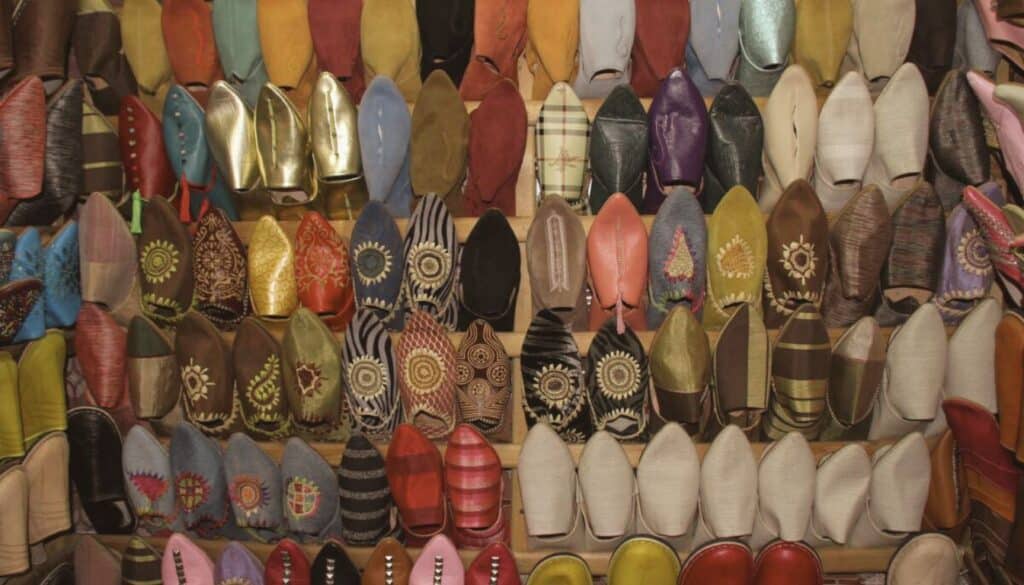
Souk Smata is known for Moroccan babouches, the traditional leather slippers often displayed in bright colours. It is one of the most photogenic corners of the souks and a good place to compare styles before buying.

Souk Cherratine
Souk Cherratine is linked with leather goods. Look for bags, belts, poufs and small accessories. Quality can vary, so check the stitching, smell, lining and finishing before discussing the price.
Souk Haddadine
Souk Haddadine is associated with metalwork. It is a good area to look for lanterns, ironwork and handmade pieces. If you are interested in craft rather than only shopping, this area gives a better feeling of the working souk.
Souk Zrabia
Souk Zrabia is often linked with rugs and carpets. Take your time here. Rug shopping is not something to do in a hurry between lunch and a taxi. Ask about material, origin, size and delivery options before agreeing to anything.
Souk El Attarine
Souk El Attarine is often associated with spices, perfumes, copper items and decorative objects. It is a good place to browse, but compare quality and packaging carefully, especially for cosmetic or food items.
Nearby markets that are not the same as the tourist souk route
Some older articles mix the Medina souks with other Marrakech markets. That can confuse visitors. Bab Doukkala, Mellah, Souk El Kmis, Sidi Ghanem and Guéliz can all be useful shopping areas, but they do not all serve the same purpose.
- Bab Doukkala: useful for a more local market atmosphere, especially food and daily items. Details need local verification.
- Mellah: good for spices, daily shopping and the old Jewish quarter atmosphere. Details need local verification.
- Souk El Kmis: often mentioned for second-hand and flea-market style shopping. Opening days and hours need verification before publishing.
- Guéliz: better for modern shops, cafés, galleries and easier taxis, not the classic covered souk experience.
- Sidi Ghanem: better for design showrooms, workshops and larger purchases, usually by taxi or private transport.
If you only have one day in Marrakech, stay with the Medina souk route and combine it with nearby sights like the Koutoubia Mosque or Bahia Palace.
What to buy in the Marrakech souk
The best thing to buy in the Marrakech souk is something you actually like, can carry home, and understand before paying for. Not every “handmade” item is equal. Some pieces are made locally, some are finished locally, and some are simply sold locally.
Good small gifts
- Babouches
- Small leather wallets
- Spice mixes
- Small ceramic bowls
- Woven baskets
- Tea glasses
- Small metal lanterns
Better purchases if you compare first
- Leather bags
- Rugs and carpets
- Poufs
- Large lanterns
- Jewellery
- Argan oil and cosmetic products
Be careful with
- Very expensive rugs sold too quickly
- Products described as antique without proof
- Cosmetics with unclear ingredients
- Shipping promises without written details
- “Today only” pressure
For handmade craft, look closely. Good stitching, clean edges, balanced colours and a seller who can explain the item are usually better signs than a dramatic speech.
How to bargain in the Marrakech souk
Bargaining is part of the Marrakech souk experience, but it should stay respectful. The goal is not to “win” against the seller. The goal is to agree on a price that feels fair for both sides.
- Look first, buy later. Compare a few shops before asking serious prices.
- Ask the price calmly. Do not start by saying it is too expensive.
- Decide your limit privately. Know what the item is worth to you before negotiating.
- Stay friendly. A smile works better than acting like a police inspector.
- Walk away politely if needed. If the price does not feel right, say thank you and leave.
- Do not bargain for fun if you will not buy. It wastes time and creates tension.
Some shops now use fixed prices, especially modern boutiques and certain cooperatives. In that case, do not push hard. Ask clearly: “Is this a fixed price?”
Opening hours and Friday closures
Do not trust one exact opening time for the whole Marrakech souk. The souks are made of many independent shops and workshops. Some open earlier, some later, and some change rhythm during Ramadan, holidays, summer heat or quiet tourism periods.
As a practical rule, morning is usually better for a calmer walk. Late afternoon is more animated, especially closer to Jemaa el-Fna. Friday can be slower, and some shops may close around prayer time. Before publishing exact hours, verify them locally in June 2026.
Easy route for a first visit
For a first visit, keep the route simple. The Medina is beautiful, but it is not designed like a shopping mall. Google Maps sometimes tries its best and then quietly gives up.
- Start at Jemaa el-Fna.
- Enter toward Souk Semmarine.
- Continue slowly toward Mouassine.
- If you still have energy, walk toward the Ben Youssef area.
- Return before you are tired, hungry and ready to buy a carpet just to sit down.
This route works well because you can combine the souks with other Medina visits. If you want a calmer break after the busy alleys, plan another part of the day for a garden such as Majorelle Garden.
Safety and common scams
The Marrakech souk is generally fine for visitors who stay aware. The main problems are usually not serious danger, but pressure, confusion, unofficial guiding and unclear prices.
- Keep your phone and wallet secure. Busy lanes are perfect for distraction.
- Do not follow random “guides.” If someone leads you somewhere, they may expect payment.
- Agree prices first. This includes photos, directions, henna, delivery and transport.
- Ignore pressure. A serious seller can explain calmly.
- Use small cash. It makes payment easier and avoids change problems.
- Take a photo of your riad location. Small alleys can look similar after sunset.
If you want a guide, choose a licensed guide through your hotel, riad or a trusted agency. A good guide can explain craft areas, history and etiquette. A bad guide can turn your walk into a commission tour.
Who should visit and who should skip
Visit the Marrakech souk if you want
- A classic Medina experience
- Traditional Moroccan crafts
- Photography opportunities
- Small gifts and souvenirs
- A lively walk near Jemaa el-Fna
Skip or shorten the visit if you want
- Fixed prices only
- Quiet streets
- Easy stroller access
- Luxury shopping with no bargaining
- A quick visit with heavy luggage
Here is the honest answer: the souks are worth visiting, but they are not relaxing for everyone. If you prefer wider streets, modern cafés and easier taxis, spend part of your shopping time in Guéliz instead.
Local tips before you go
- Wear comfortable shoes. The floor can be uneven.
- Carry water, especially in warm months.
- Bring small notes in Moroccan dirhams.
- Ask before taking close photos of people or workshops.
- Do not block narrow lanes for long photos.
- Check quality in daylight when possible.
- Take your time before buying large items.
The best visit is not the one where you buy the most. It is the one where you leave with something you like, a fair feeling, and enough energy to enjoy the rest of Marrakech.
FAQ
What is the Marrakech souk?
The Marrakech souk is the main traditional shopping area inside the Medina. It is a network of narrow lanes, workshops, stalls and small shops where you can find crafts, spices, leather goods, rugs, lanterns, pottery and souvenirs.
Where should I start in the Marrakech souks?
For a first visit, start from Jemaa el-Fna and enter toward Souk Semmarine. Continue slowly toward Mouassine or Ben Youssef if you want a longer walk.
What should I buy in the Marrakech souk?
Good things to buy include babouches, leather bags, small rugs, metal lanterns, spices, pottery, baskets, argan products and small handmade gifts. Quality varies, so compare before buying.
Are prices fixed in the Marrakech souks?
Many prices in the Marrakech souks are negotiable, especially for souvenirs and crafts. Some modern shops and cooperatives use fixed prices. Always ask clearly before buying.
Are the Marrakech souks open on Friday?
Some shops open on Friday, but the rhythm can be slower and many sellers may close around prayer time. Do not plan your only serious shopping visit for Friday afternoon unless you have checked locally.
Is the Marrakech souk safe?
The Marrakech souk is generally fine for visitors who stay aware, keep valuables close, avoid following unofficial guides and agree prices before accepting help or services.
Do I need a guide for the Marrakech souks?
You do not need a guide for a short first visit around Souk Semmarine. A licensed guide can be useful if you want history, workshops or a deeper route through less obvious areas.
Can I pay by card in the Marrakech souk?
Some shops accept cards, but cash in Moroccan dirhams is still useful in the souks. Carry small notes and confirm the total before paying.